

Interior Design Firms in Mangalore: Design Philosophy Over House Style
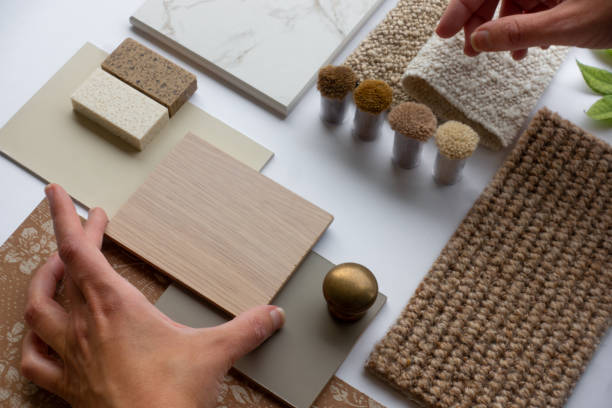
Most interior design firms in Mangalore apply the same signature style to every project, ignoring how you actually live. When a design starts with your needs instead of the designer’s aesthetic, spaces age better and cost less to maintain. The best firms listen first and decide their approach based on what you’re trying to solve.
Key Takeaways
- Most interior design firms in Mangalore use a one-size-fits-all approach, applying their signature aesthetic to every project regardless of how clients actually live.
- Spaces designed around your real needs and lifestyle age better and require fewer costly updates than generic interiors built to impress rather than function.
- The best design starts with listening to your family’s habits, work style, and preferences, then develops a concept specifically for your project, not a pre-formed one.
- When evaluating a firm, ask whether they study your space and needs first or if their approach is already decided; the answer reveals whether they’ll design for you or for you.
Walk into a home designed by the wrong approach in Mangalore, and you’ll recognise the problem immediately. The same colour palette. The same furniture arrangement. The same feeling that the space was plucked from a magazine and dropped into your rooms without asking who you are. It’s not a bad design; it’s someone else’s design, forced onto your life. This happens when a designer imposes a pre-formed vision onto your space. The problem isn’t the aesthetic itself, but that it was never meant for you. A good interior design firm should start with understanding you, not selling you a style.
The Signature Style Trap
This happens more often than you’d think. Many interior design firms in Mangalore operate from a simple model: they develop a signature style and apply it everywhere. A coastal villa gets the same aesthetic as a corporate office. A young family’s apartment echoes a retiree’s aesthetic. The client becomes secondary to the look.
Why Spaces Fail When Design Ignores How You Live
The problem is that spaces aren’t products. They’re extensions of how you live. A kitchen that looks beautiful but doesn’t accommodate the way you cook is a failure. An office that impresses clients but drains employees is expensive window dressing. A bedroom that follows every design trend but doesn’t feel like rest is just another room.
Why Design Firms Choose The Formula Approach
So why do so many design firms stick to a house style approach? It’s efficient. Repeatable. Profitable. Once you’ve built a recognisable aesthetic, you can execute it faster, cut costs, and market yourself as having a “signature look.” Clients sometimes want this. They want to hire a known brand and trust they’ll get that brand’s formula.
The Real Cost Of A One-Size-Fits-All Philosophy
Here is why that logic breaks down. Your home isn’t a brand extension. Your office isn’t a portfolio piece. They’re spaces where you spend your time, make decisions, raise families, and work toward goals. A design philosophy that respects this starts differently.
Start With Listening, Not Aesthetics
A design philosophy begins with listening. What does your family actually do in this living room? How does your team work best? What materials feel right to you? What problem are you really trying to solve? The answers shape everything that follows. The furniture layout. The colour story. The lighting approach. The textures underfoot.
Local Context Matters Only When It Serves You
Coastal Karnataka offers unique design opportunities. Natural light through monsoon seasons. Breezes that cool without air-conditioning. Local materials and traditional craftsmanship that ground a space in place. But these elements only matter if they’re chosen because they solve your problem, not because they’re on trend. A sustainable material is only valuable if it aligns with how you live. Minimalism is only meaningful if it reduces clutter that actually bothers you.
How To Spot A Firm Worth Your Time
When you’re evaluating design firms, ask about their process. Do they start by studying your space and understanding your needs? Do they develop a concept specifically for your project, or is their approach already decided? Do they explain why they’re recommending something, or do they expect you to trust their taste?
The firms worth your time will put this philosophy first. Regional context second. Their own aesthetic is somewhere much further down the list.
Your space should feel like yours. Everything else is just decoration.
Featured image source: https://media.istockphoto.com/id/2159415995/photo/hand-of-interior-designer-and-architect-placing-wood-sample-on-material-board.jpg?b=1&s=612%C3%97612&w=0&k=20&c=spzDWDhdWnxP55aiq8YRu5NxEF1tPMqed_gqAC_S9jQ=

