

How a Commercial Interior Designer Thinks About Your Space that needs to be designed
How a Commercial Interior Designer Thinks About Your Space that needs to be designed
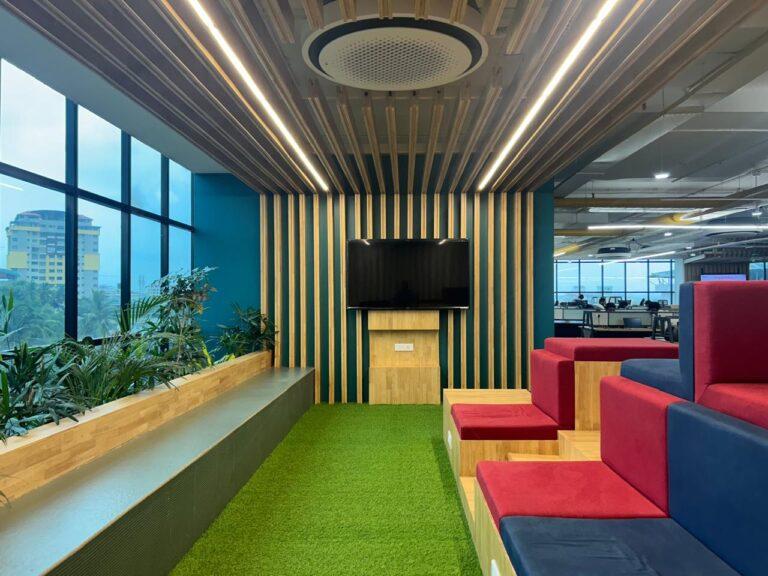
Most people assume that designers begin with addressing the colours or furniture. Or a mood board from a design site. That is not the process. If your designer starts here, pause before going further. The first thing a good designer looks at is how people move. Not how the space looks — how it functions when full of people trying to work, meet, or serve customers. Every corridor, every door placement, every desk cluster has a logic behind it. Or it should. A commercial interior designer thinks about this before touching a single swatch.
The question that comes first
Before any design decision is made, the first question is: what does this space need to do? A law office has very different demands from a software company. A boutique retail store works nothing like a warehouse showroom. Commercial space planning starts with that answer. Every choice that follows, including lighting, acoustics, and material finishes, flows from there. That clarity is what separates well-designed spaces from ones that just look the part. A commercial interior designer in Mangalore builds the entire brief around that single question before touching anything else.
Sound is something most clients never think about until it becomes a problem. Open-plan offices are popular, but they are also loud. A designer who understands this will factor in acoustic panels, floor materials, and ceiling treatments before the layout is finalised. That kind of thinking happens early, or it does not happen at all.
What a bad outcome actually looks like
There is a version of this that goes wrong, and it goes wrong more often than people admit. A business owner puts a lot of money into a renovation. The space looks good in photos. Then, six months in, employees are distracted, clients feel uncomfortable, and the flow never quite works. No one can say exactly why. The designer delivered a beautiful space, but the thinking was surface-deep.
That is the risk. A space that photographs well but does not work is an expensive mistake.
Why the small decisions matter
Most people remember the big things — a feature wall, a reception desk, a statement light fixture. What makes a space actually work are the things you stop noticing after a week. The way light falls in the afternoon. The meeting room does not feel cramped with eight people in it. The storage is placed exactly where you need it.
A designer thinking at that level is doing something different from someone who is simply making things look nice. The difference shows up in how you feel in the space after six months, not in how it looked on the first day.
One question worth asking
Ask your designer how they approach acoustics in open-plan spaces. Or how they decide on ceiling heights. If the answer is vague or moves immediately to aesthetics, that tells you something. It does not mean they are bad at design. It may mean their process is more visual than spatial.
Getting this right early saves time and money. Retrofitting a space that does not work costs far more than planning carefully before a single wall goes up. Book a consultation to talk through what your space actually needs.

