

How the Best Home Interior Designers in Mangalore Create Personalised Homes
How the Best Home Interior Designers in Mangalore Create Personalised Homes
Every home reflects the people who live in it. How it flows and how it feels on any morning come down to choices made early in the design process. Homeowners today are moving past generic interiors that look polished but never feel personal. The best home interior designers in Mangalore begin every project with that understanding firmly in place.
The shift toward personalised interiors has changed what homeowners expect from a design consultation. A skilled designer does not arrive with a preset style but with questions. What routines define the day? What does comfort mean to this family? The best home interior designers in Mangalore treat each home as an original brief, shaped by the life lived inside it.
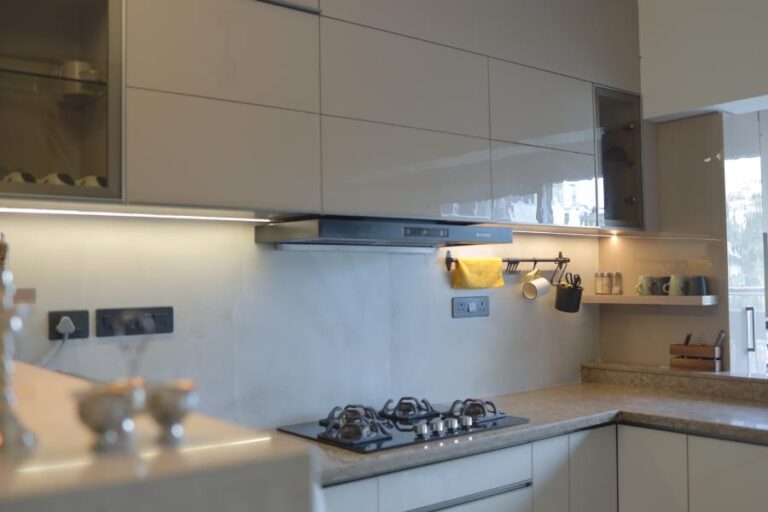
Listening Before Drawing a Single Line
- Lifestyle Questions That Shape Every Layout Decision: Before a floor plan is touched, a designer worth working with spends time asking about movement patterns, storage habits, and how natural light behaves across the home at different hours. This stage is not a formality. It is where the real design work begins, turning observations about daily life into a structured brief that drives every room configuration that follows.
- Floor Plans Cannot Capture How a Family Lives: A floor plan records dimensions but not habits. Where does the family gather in the evenings? Does cooking happen with company or alone? These questions determine where walls go, where storage sits, and how much space each zone needs to support daily life. Getting this right is the foundation of ergonomic design in any residential project.
Colour, Material, and the Language of Personal Identity
- Why the Emotional Weight of Colour Matters More Than Trends: A room at seven in the morning feels different from how it registers at nine in the evening, and this gap is not accidental. Colour psychology shapes how each space feels at different points in the day. Warm tones encourage ease in social areas, and cooler palettes support rest in sleeping zones. Skilled designers calibrate these relationships with intention.
- Materials That Carry Personality Beyond Their Surface: Teak wood carries warmth. Matte concrete suggests stillness. Handwoven cotton conveys craft. Materials are not neutral. They register emotionally and age in ways that shape how a space is experienced over years. Personalised design means selecting materials that resonate with the homeowner’s character, not simply what looked impressive in a showroom before a project deadline arrived.
The Details That Define a Personalised Home
- Going Deeper Than Furniture and Paint Colours: Most people think personalisation means picking a sofa colour and choosing between warm and cool lighting. In reality, it runs through every layer of the home, from how the front door opens to where the medicine cabinet sits. These decisions are not cosmetic. They are structural, and their effects are felt every day over the life of the home.
- Areas Where Personalisation Leaves the Biggest Mark:
- Layout configuration: Rooms are arranged around actual movement patterns and daily family habits to ensure every area serves a clear purpose.
- Material choices: Textures and finishes are selected based on maintenance preferences, climate conditions, and personal character.
- Lighting plan: Both natural and artificial light are mapped across different times of day and different activities.
- Storage design: Built-in systems are planned around how a family actually stores and retrieves things day to day.
- Furniture scale: Proportions are chosen to keep rooms feeling open and functional without appearing sparse.
When Spaces Work Without You Noticing
- The Hidden Cost of Interiors That Do Not Quite Work: Poorly planned interiors reveal their flaws in daily accumulation, not always dramatically. A kitchen bench at the wrong height. A bedroom without enough acoustic separation from a busy hallway. A storage wall that looks right but holds nothing correctly. These build into a kind of residential frustration that only a proper redesign can fully address.
- Why Personalised Homes Improve With Time: A home designed around the life inside it improves with use rather than ageing against it. Layouts planned around genuine movement and storage built around real habits hold up well over the years. A new work routine or a growing family fits naturally into a space that was designed for a person, not a property brochure.
When a Home Feels Like It Was Made for You
Personalised design starts with listening before the drawing process commences. When a designer understands the life to be lived in a space, every layout, material, and lighting decision follows from that knowledge. A home built around the people inside it, not a trend catalogue, is one that pays for itself over time. Reach out to begin a design process built around your lifestyle.

